Introduction
Paper pulp is the foundation of every paper product. Whether it is printing paper, packaging board, tissue paper, or specialty paper, the type and quality of pulp directly affect the final paper performance, including strength, smoothness, brightness, printability, and sustainability. As a professional paper manufacturer and supplier, China Paper understands that selecting the right pulp is essential for producing paper products that meet different application requirements. This article explains the main types of paper pulp and how they influence paper quality.
What Is Paper Pulp?
Paper pulp is the fibrous raw material used to produce paper and paperboard. It is mainly made by separating cellulose fibers from wood or recovered paper through different pulping processes. Depending on raw materials and production methods, paper pulp can be mainly divided into:
Virgin Wood Pulp
Recycled Pulp
Hardwood Pulp
Softwood Pulp
Chemical Pulp
Mechanical Pulp
Different pulp types provide different properties, which determine the strength, appearance, and applications of the final paper product.
Virgin wood pulp is produced from fresh wood fibers and has never been used in previous paper production.
Because the fibers are clean and strong, virgin pulp provides:
High strength and durability
Excellent printability
Better brightness and appearance
Stable quality consistency
Virgin pulp is widely used for high-quality paper products, including:
For applications that require premium appearance, smooth printing surfaces, or strong physical performance, virgin pulp is often the preferred choice.
Recycled Pulp
Recycled pulp is produced from recovered paper through processes such as sorting, repulping, cleaning, and removing impurities.
Its main advantages include:
Reduced use of natural resources
Supports sustainable packaging solutions
Helps promote a circular economy
Recycled pulp is commonly used in:
However, recycled fibers become shorter after repeated recycling cycles, which may reduce strength compared with virgin fibers. Therefore, many paper manufacturers combine recycled pulp with virgin pulp to achieve a balance between sustainability and performance.
Hardwood Pulp vs Softwood Pulp
Wood pulp can also be classified according to the type of tree used.
4.1 Hardwood Pulp:
Hardwood pulp usually comes from trees such as eucalyptus, birch, and poplar. Its characteristics include:
Hardwood pulp helps improve the surface quality and printing performance of paper products.
Common applications:
Printing Paper
Writing Paper
Coated Paper
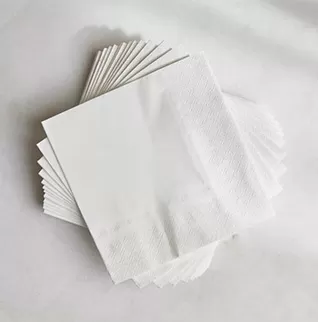
Tissue Paper
4.2 Softwood Pulp
Softwood pulp comes from trees such as pine and spruce. Compared with hardwood pulp, softwood pulp contains longer fibers, providing:
Higher tensile strength
Better tear resistance
Improved durability
Stronger paper structure
Softwood pulp is commonly used in:
In many paper products, hardwood and softwood pulp are blended together. Softwood pulp provides strength, while hardwood pulp improves smoothness and printability.
Chemical Pulp vs Mechanical Pulp
5.1 Chemical Pulp
Chemical pulp is produced by using chemical processes to separate cellulose fibers and remove most lignin. Advantages:
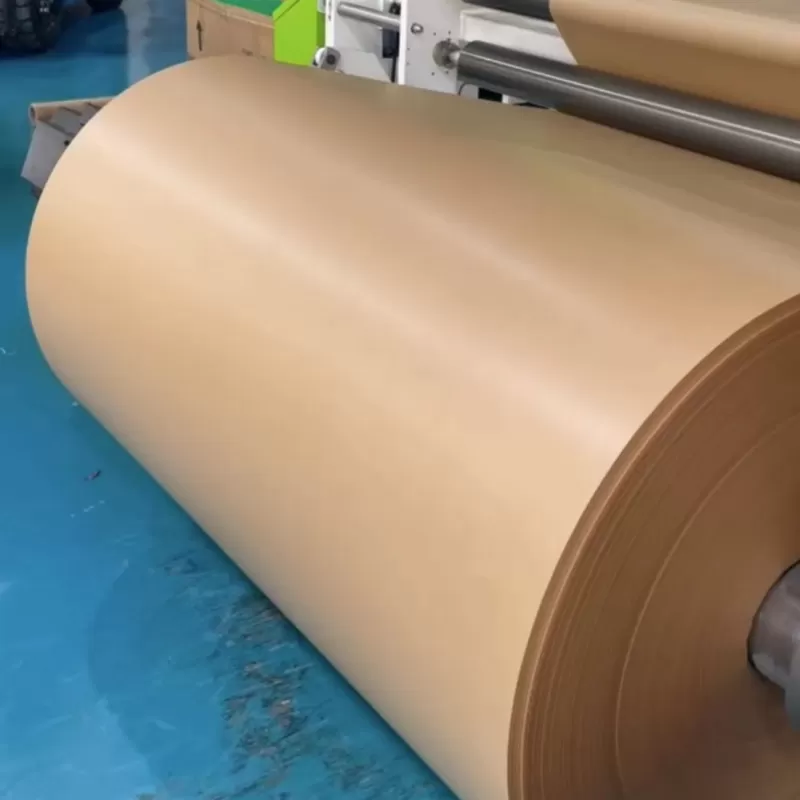
Kraft pulp is one of the most widely used chemical pulps and is commonly applied in packaging paper, kraft paper, and high-strength paper products.
5.2 Mechanical Pulp
Mechanical pulp is produced by mechanically grinding wood into fibers. Advantages:
It is commonly used for:
Newspaper Paper
Magazine Paper
Lightweight Coated Paper
Compared with chemical pulp, mechanical pulp retains more lignin, which may affect long-term aging resistance.
How Does Pulp Choice Affect Paper Quality?
Different pulp combinations create different paper characteristics:
| Paper Property | Main Pulp Influence | Key Characteristics |
|---|
| Strength & Durability | Softwood Pulp | Long fibers provide higher tensile strength, tear resistance, and durability |
| Smooth Surface | Hardwood Pulp | Short fibers create a smoother and finer surface, ideal for high-quality printing |
| Brightness & Clean Appearance | Virgin Bleached Pulp | Provides higher brightness, purity, and a clean visual appearance |
| Sustainability | Recycled Pulp | Uses recovered fibers, reduces resource consumption, and supports environmental goals |
| Premium Printing Quality | Virgin Wood Pulp | Offers stable fiber quality, excellent formation, smoothness, and printability |
| Packaging Strength | Kraft / Softwood Pulp | Delivers high strength, stiffness, and folding resistance for packaging applications |
For example:
FBB (Folding Box Board) requires strong and smooth fibers to achieve excellent stiffness, folding performance, and printing results.
Kraft Paper relies on strong fibers for durability and packaging applications.
Tissue Paper requires a balance between softness, absorbency, and strength.
China Paper: Reliable Paper Solutions with Professional Pulp Selection
At China Paper, we understand that every paper application has different requirements.Through professional manufacturing experience and a stable supply chain, we provide customized paper solutions for:
Printing Paper
Packaging Paperboard
Food Grade Paper
Specialty Paper
From virgin pulp to recycled pulp, and from hardwood fibers to softwood fibers, every pulp selection plays an important role in final paper performance. Choosing the right pulp means choosing the right paper quality. Contact China Paper for professional paper solutions
 English
 français
 Deutsch
 Español
 italiano
 русский
 português
 tiếng việt
 Türkçe
 العربية
 Indonesia